
Soya Products
Say Hello to Soy Milk
Soy milk, also known as soya milk, is a plant-based beverage made from whole soybeans. Its origins trace back thousands of years to China, where the earliest known written reference appears around 1500 AD in the poem “Ode to Tofu” by Su Ping. Interestingly, early mentions of soy milk were primarily in the context of tofu production.
Today, soy milk is valued not only as an alternative to cow’s milk but also as a highly nutritious drink. It is rich in protein, vitamins, and minerals, while being low in saturated fat and completely free of cholesterol—unlike dairy milk. Additionally, since it contains no lactose, soy milk is suitable for individuals with lactose intolerance as well as those following a vegan lifestyle.
The preparation of soy milk is equally noteworthy. It begins with soaking soybeans, which are then ground with water to form a slurry. This mixture is heated to around 120°C to eliminate anti-nutrients, and finally filtered to separate the liquid from the solid residue (known as okara) resulting in a smooth, creamy beverage.
In recent years, the demand for plant-based alternatives has grown significantly, with soy milk emerging as a leading choice. Its increasing popularity reflects a broader shift toward healthier and more sustainable consumption habits.
What Is Tofu?
Originating in China around 200 BC, Tofu is made from ‘ta-fou’ meaning ‘great beans’ or soybeans. Soybeans were introduced to Japan around 1000 years later by Buddhist monks and eventually spread to other Asian countries like Korea, and Vietnam.
Tofu is made the same way today as it was 1000 years ago. Soybeans are soaked in water before they are mashed and cooked at a high temperature. The fibrous residue, called okara, is removed from the resulting mixture along with the whey using a particle remover. The liquid that remains is soy milk. A coagulant is added to the milk (similar to paneer and cheese) to separate the milk into curds and whey. It is then strained and pressed so the whey drips out and you are left with TOFU.
Today, Tofu is widely recognised as a sustainable, protein-rich option for those looking to embrace a more plant-based lifestyle. Its nutritional values make it particularly popular as a meat substitute.
Nutrition
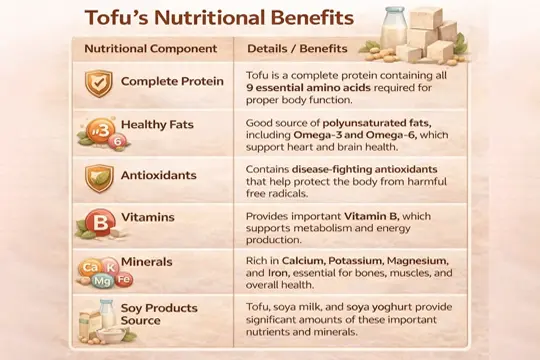
Tofu is a complete protein — it has all nine essential amino acids that your body needs to work well. It is also a good source of polysaturated ‘good’ fats (including omega-3 and omega-6), disease-busting antioxidants, vitamin B, calcium, potassium, magnesium and iron. Tofu, soya milk, and soya yoghurt provide significant amounts of this important mineral.
Contains Beneficial Isoflavones
Soybeans contain natural plant compounds called isoflavones.
These function as phytoestrogens, meaning that they can attach to and activate estrogen receptors in your body. In some cases, isoflavones behave like the hormone estrogen, although their effect is weaker.
Each gram of soy protein provides about 3.5 mg of isoflavones.
Due to its high isoflavone content, tofu offers additional health benefits, including:

Stronger Bones
Recent reviews suggest that soy isoflavones may help reduce bone loss or increase the mineral density in bones.

Improved Brain Function
Recent studies note that soy isoflavones may improve memory, attention, processing speed, and overall brain function in some — but not all — adults.

Fewer Menopause Symptoms
Soy isoflavones may help reduce symptoms of menopause, including fatigue, mood disturbances, and hot flashes.

Antidepressant Effects
A study in pregnant people suggests that eating an average of 49g of tofu per day may reduce the risk of developing depression during pregnancy.
Separating Myths From Facts
Heart Disease and Cholesterol
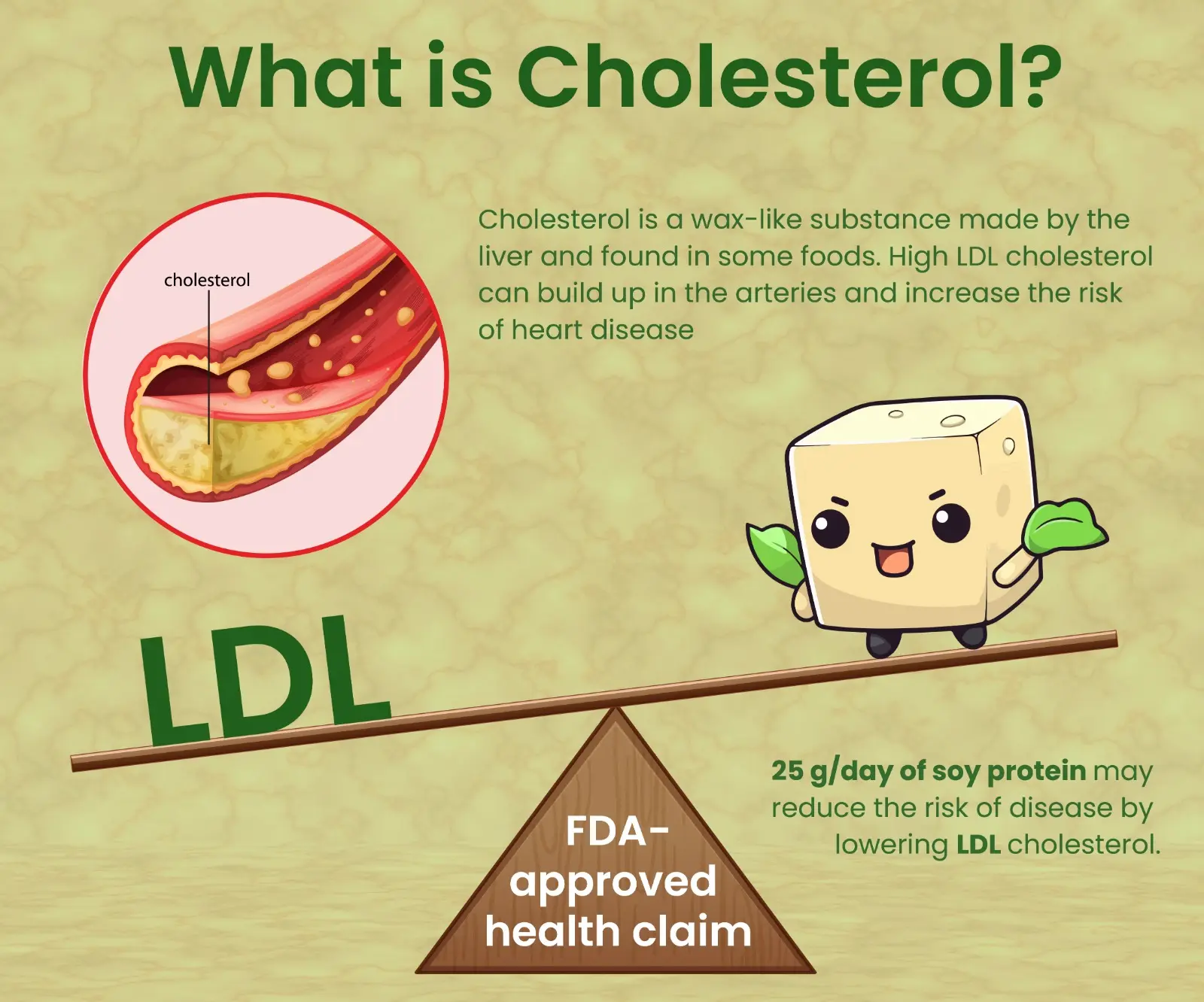
Soy foods such as tofu are renowned for their cholesterol-lowering effects. Regulators in the United States and Canada have approved health claims linking soy protein to a lower risk of heart disease.
According to 2019 review, soy protein could lower LDL (bad) cholesterol by 3%–4% while also reducing levels of total cholesterol.
Experts believe that isoflavones in tofu contributed to improved endothelial function and reduced arterial stiffness, both key markers of cardiovascular health.
A 2023 meta-analysis of 29 studies that found regular soy intake was associated with 21% lower risk of heart disease and 17% lower risk of type 2 diabetes.

Breast Cancer
There were concerns that soya foods may increase the risk of breast cancer or make the condition worse in some women. Extensive research over the last 25 years suggests that soy does not increase breast cancer risk. In fact, 2019 review found that women who regularly consumed soy were 16% less likely to die after a breast cancer diagnosis compared to those who ate little or no soy.
Another study in both pre- and postmenopausal women with soy-rich diets reported that every 10 mg/day increase in soy isoflavone intake may lower breast cancer risk by 3%.
A comprehensive review focusing specifically on tofu consumption reported that women who ate tofu regularly were up to 22% less likely to develop breast cancer than those who rarely consumed it.
The same review suggests that adding 10 g of tofu/day could reduce breast cancer risk by 10%.
Most recently, a 2024 study found that soy isoflavones were associated with a 26% lower risk of breast cancer recurrence, with the greatest risk reduction at 60 mg/day of isoflavones.
Other Cancer
A soy-rich diet may also help lower your risk of multiple types cancer, including endometrial, colon, stomach, and prostate cancers. A review of 23 studies in 2020 linked soy-rich diets to a 10% lower risk of dying from cancer, especially cancers of the stomach, large intestine, and lungs.

Prostate Cancer
2021 review supported by 2018 meta-analysis found that higher soy and isoflavone intake was associated with a significantly lower risk of prostate cancer, particularly in Asian populations.

Colorectal Cancer
A 2019 systematic review and meta-analysis showed that soy food consumption was linked to a lower risk of colorectal cancer, with tofu intake contributing to improved gut and metabolic profiles.

Gastric Cancer
A 2020 pooled analysis indicated that tofu was associated with a lower risk of gastric cancer, likely due to antioxidant and anti-inflammatory effects.

Lung Cancer
A 2021 meta-analysis reported an inverse association between soy intake and lung cancer risk, especially among non-smokers and women.
Experts suggest that small but frequent servings of soy-rich foods offer the best protection. That said, this may depend on the amount you eat and the types of gut bacteria you have.
Diabetes
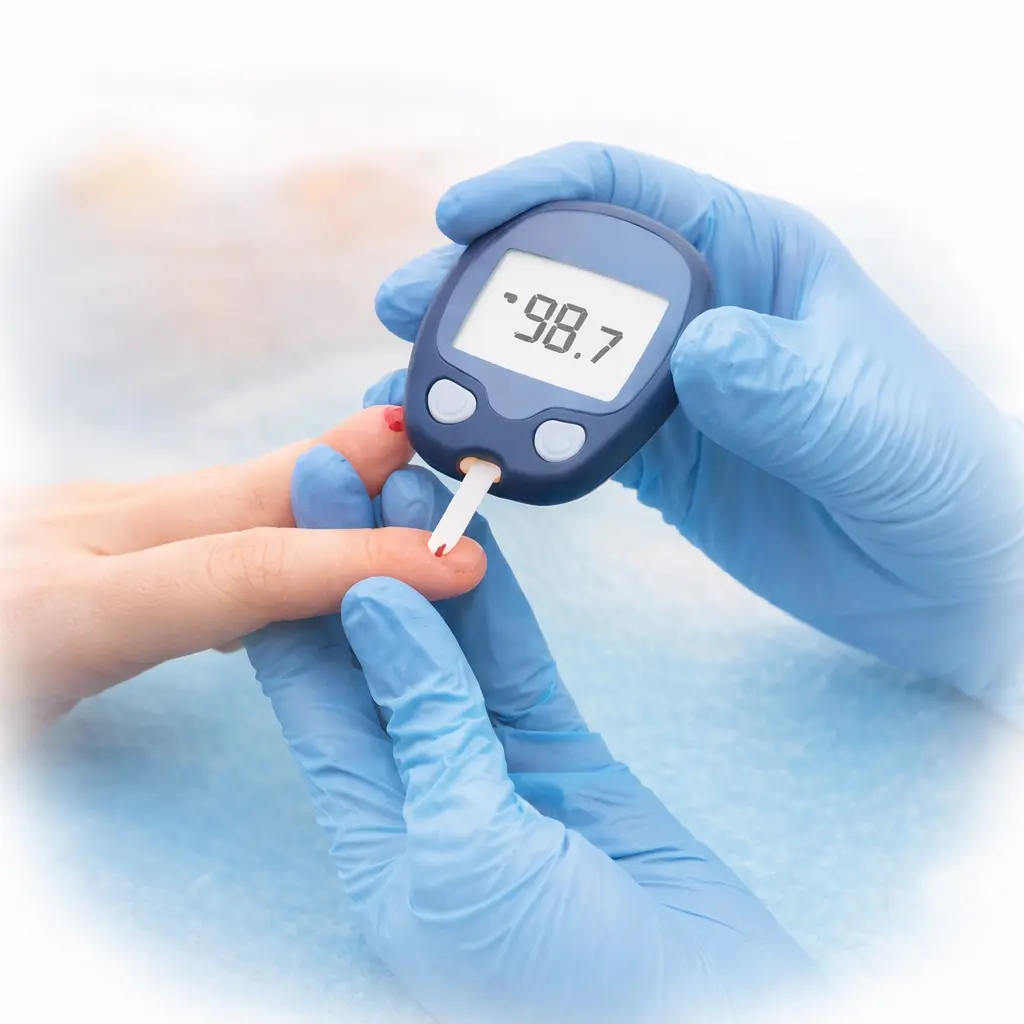
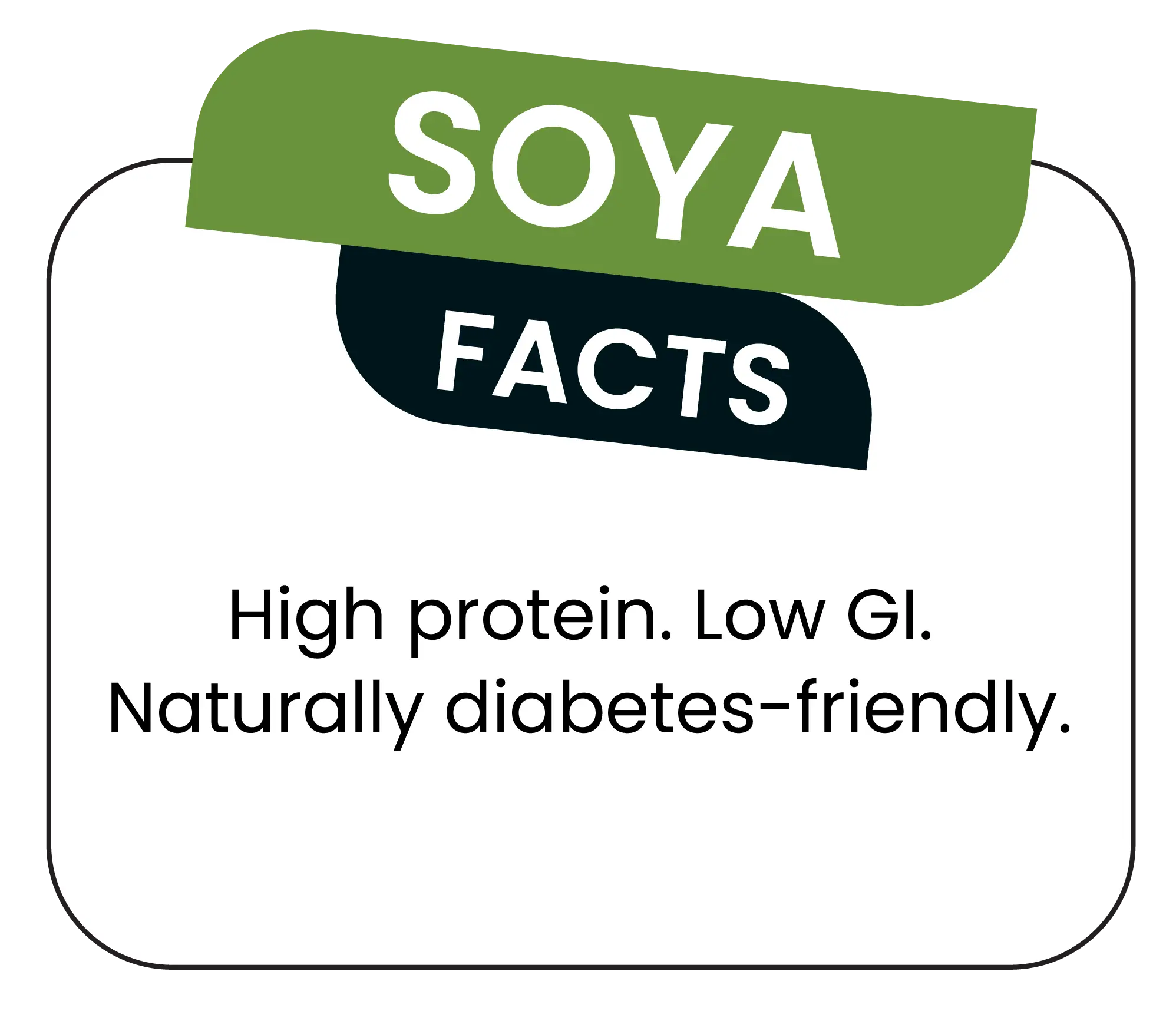
Many people believe that tofu or soy foods are not good for blood sugar control. A 2020 review of studies concluded that participants who regularly ate tofu were less likely to develop type 2 diabetes. Another study reported that women with gestational diabetes who included soy protein in their diets for 6 weeks had lower blood sugar and insulin levels than those who did not.
Natural compounds in tofu, called isoflavones, are linked to better blood sugar control.
Thyroid
Concerns about soy and thyroid health largely stem from in vitro findings, not real-world human data. Human clinical evidence does not show thyroid dysfunction from soy intake in iodine-sufficient populations.
A systematic review in 2020 found that soy foods do not adversely affect thyroid hormone levels (T3, T4, or TSH) in healthy adults. A 2018 meta-analysis of clinical trials concluded that soy protein and isoflavones had no clinically relevant effect on thyroid function.
Soy foods can be safely consumed to moderate levels for individuals with managed thyroid conditions.
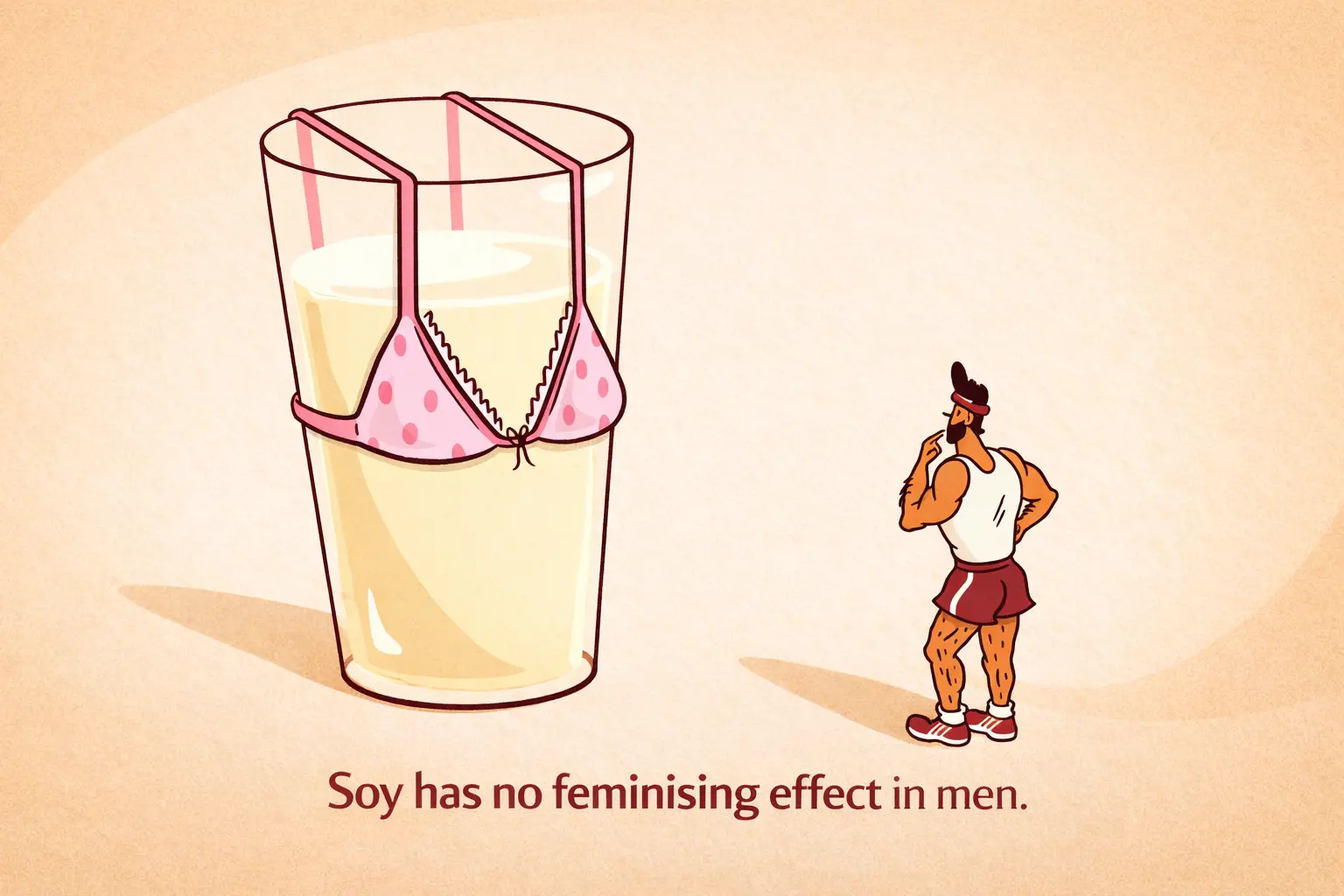
Lower Testosterone in Men
The belief that soy lowers testosterone or feminizes men has been widely circulated but is not supported by clinical evidence.
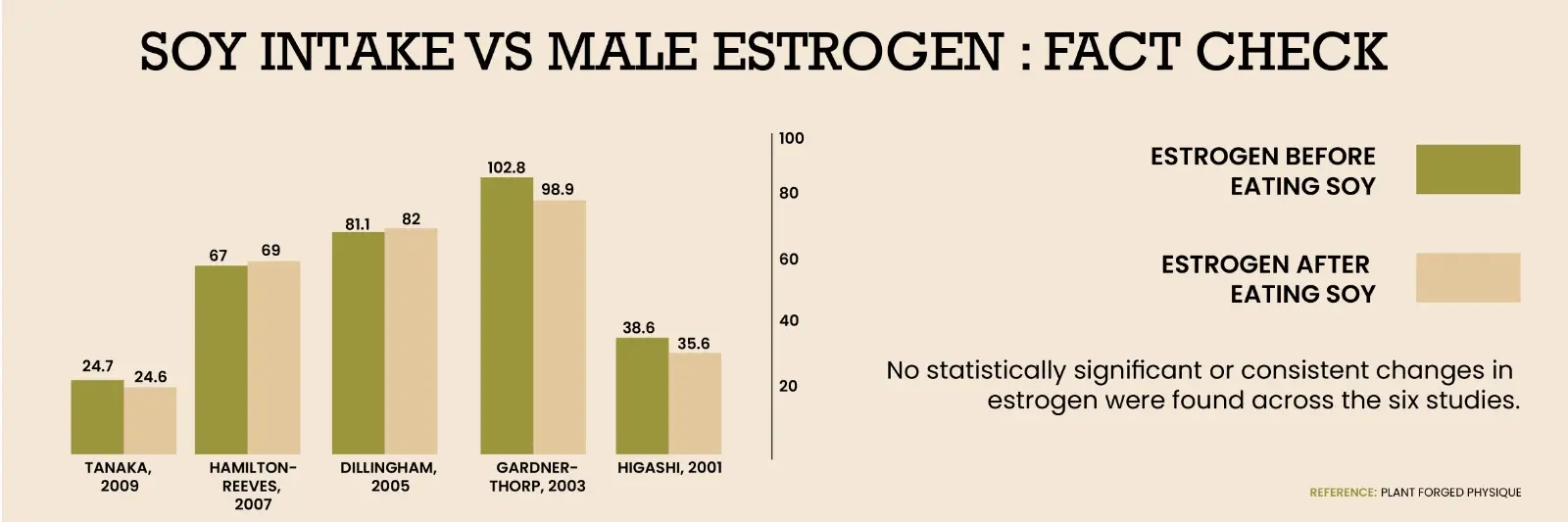
Extensive meta-analysis of clinical trials in 2010 and 2021 reported soy intake does not affect testosterone, estrogen levels, or sperm quality in men. In fact, the clinal trials found no changes in muscle mass, libido, or secondary sexual characteristics, regardless of the amount of soy they eat.
Menopause in Women
Soy foods are frequently misunderstood during menopause due to their isoflavone content. However, a substantial body of clinical evidence indicates that menopause-friendly, nourishing, and can support comfort during this life stage when consumed at dietary levels.
A meta-analysis of randomized controlled trials in 2019 reported that soy isoflavones were associated with a significant reduction in hot flash frequency and severity in women. Another clinical trials in 2021 concluded that soy isoflavones can modestly but consistently improve vasomotor symptoms, with benefits becoming more apparent after 8–12 weeks of regular intake.

Sizes and Shelf Life
You can purchase tofu in bulk or in individual packages. Individual packages ranges from 180gm to 250gm.
Tofu is vaccum-packed and should be refrigerated. Once you’ve opened tofu, you can refrigerate it for up to 3 days by storing it in a cup, submerged in water. You can also freeze it in its original package for up to 1 month.
Are all tofu products available in market same?
Although all tofu is made from soybeans, not all tofu is nutritionally equal. The quality, digestibility, taste, and health benefits of tofu depend on soyabean varieties, processing technique, coagulant used and pressing.
ASMIN Tofu using KTI-free soybeans developed by the Indian Council of Agricultural Research, which are naturally free from trypsin inhibitors, improving protein digestibility. Our soy milk is produced using airless hot grinding (Canadian-patented technology), completely eliminating beany flavour and avoiding contamination associated with Chinese artificial stone-grinding methods. A carefully balanced combination of calcium-based coagulants further enhances calcium and protein availability, resulting in a soft-textured tofu with superior nutritional quality.